

The CTY Experience
Our courses are designed to reflect the CTY experience of rigorous coursework; novel context or approach; and a fun and engaging peer community of advanced learners.
Now Enrolling!
Registration is now open for CTY's summer and fall courses!
- Seats available in select summer courses
- Enroll by August 11 to start courses as early as September 8
- Enroll by September 15 to start courses as early as October 11
Upcoming Educational Travel Programs include:
- Mount St. Helens Institute, Mount St. Helens, Washington, Aug. 12-14, 2026, for students in grades 3-8 and their families
The CTY Learning Environment
At CTY, advanced learners connect in small, student-centered classrooms where instructors emphasize facilitated learning through discussion and exploration. Our students bond over their deep curiosity and shared interests in a supportive environment.
Dig Deep into Your Favorite Topics
History and Social Sciences
Discover the big ideas, bold thinkers, and complex systems that shape our world through reading, writing, simulations, and thought-provoking discussions.
Explore TopicLanguage Arts
Explore powerful poetry and prose and develop your own voice and storytelling skills through creative writing, lively discussions, and thoughtful feedback.
Explore TopicMathematics
Sharpen your skills and build confidence while solving puzzles, exploring patterns, preparing for competitions, and tackling real-world problems in a rigorous and fun classroom.
Explore TopicRobotics and Technology
Jumpstart your path to a tech-powered future with fun challenges and hands-on projects that bring design, coding, and problem solving to life.
Explore TopicScience and Engineering
Conduct experiments, design projects, test your ideas, collaborate with peers, and solve problems—with guidance from your instructor every step of the way.
Explore TopicDiscover Specialty Experiences
CTY offers a variety of courses, some of which are particularly unique.
Explore the world with other families and students who love to learn! Discover new places, cultures, and ideas while making memories together.
Dive into fast-paced, rigorous academics designed for advanced learners eager to embrace challenge and deepen their subject mastery.
Sample a subject in a short, flexible format that fosters curiosity, connects advanced learners, and fits busy schedules.
Collaborate with classmates who share your interests, grow your skills, complete a goal or project, and celebrate your successes.
What Our Students Say

Being a part of CTY has provided a safe, engaging, rigorous, and fun learning experience to help students like myself develop a higher level of academic skills that would impact our lives for the future.
Ta’Ziyah O.
CTY MAPS Student

CTY has saved our bright kids from boredom, made it possible for our eldest to become an extremely accomplished musician, and helped our youngest continue to be a joyful learner when most educational experiences haven't been challenging enough.
CTY Online Courses Parent
Parent
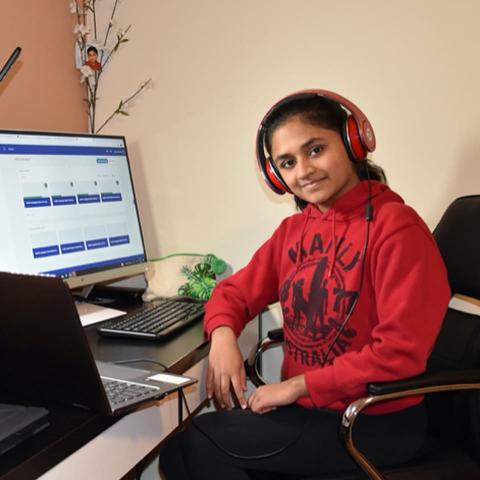
The intellectual stimulation provided by the instructor, thought provoking assignments, and comprehensive feedback have collectively ensured that my child has enjoyed every bit of her time with the CTY program.
CTY Online Courses Parent
Parent
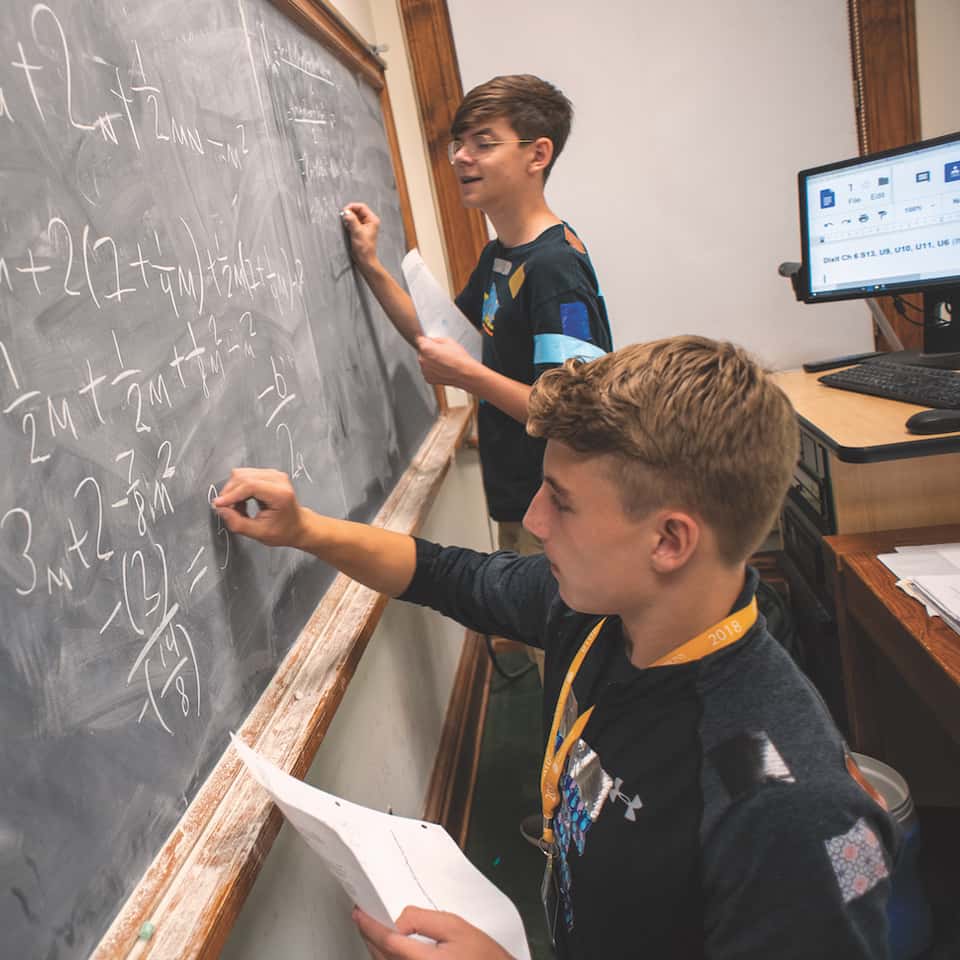
His teacher was amazed after he went to CTY last year. He got straight A’s. He’s going to be in a high honors class, and CTY has helped him prepare for that. He used to be like, ‘Mom I don’t want to do that.’ Now he’s like, ‘Mom, I think I’m ready.'
Gloria R.
CTY In-Person Courses Parent

What sets CTY apart is the peer environment, which supports out-of-the-box thinking. My CTY classmates value your coursework, not if you're good at sports.
Edison L.
CTY Student

CTY Scholars gave me something to work towards, it kept me motivated. Without the program, I would have given up in the 10th grade. Knowing there was someone there to help me see beyond what I was able to see really inspired me to push forward and continue to work toward my goals.
Carlos P.
CTY Scholars Student

CTY Baltimore Emerging Scholars is different from my regular classes because we decipher messages and have a lot of fun while learning. It's also special because we do group work, and the groups always make me laugh.
Blake H.
CTY Baltimore Emerging Scholars Student

I love the lessons and how they teach me clearly through videos, real-life situations, and different units. I also like that my online course is self-paced, which means I can learn and practice whenever I want.
Zane M.
Student
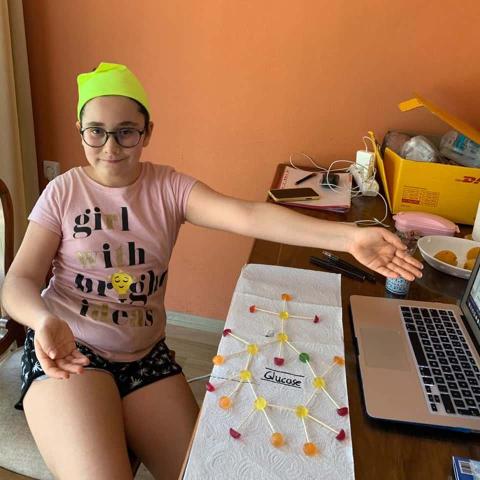
The level of academic rigor exceeds anything my daughter has experienced in school to date. In fact, this year she's homeschooling with CTY as her main resource.
CTY Online Courses Parent
Parent

The CTY Online Programs are an excellent addition to my children's regular academic course work. The convenience of taking high quality courses from virtually any location is a tremendous advantage.
CTY Online Courses Parent
Parent

Online programs offer tremendous academic value that can be accessed from anywhere, anytime. This is exactly what we have been looking for. My children love the learning environment including both the classes themselves, and also the social programs.
CTY Online Courses Parent
Parent
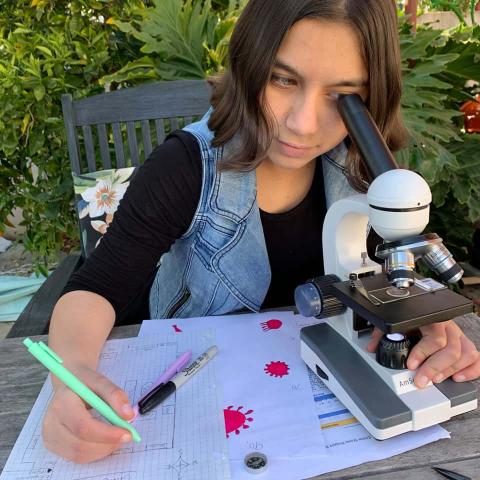
Maggie has now taken more than 15 CTY courses. She has grown exponentially, thinks well independently, uses and schedules her time wisely, and has gained boundless confidence as a result of her CTY courses.
CTY Online Courses Parent
Parent
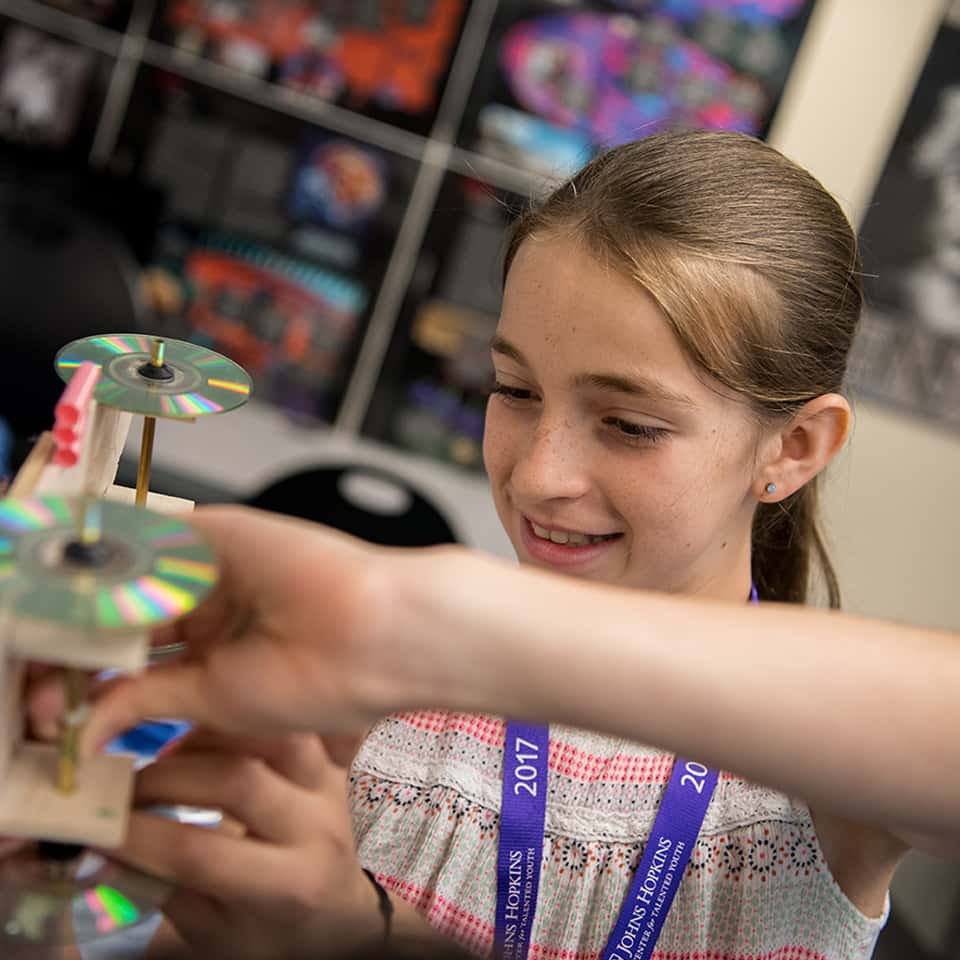
For our daughter, it was the realization that it’s cool and feminine to want to be a scientist. There’s nothing like 25 girls in a college dorm together taking number theory and astrophysics. At CTY, she feels like she’s ‘among her people.’
Debby W.
CTY In-Person Courses Parent
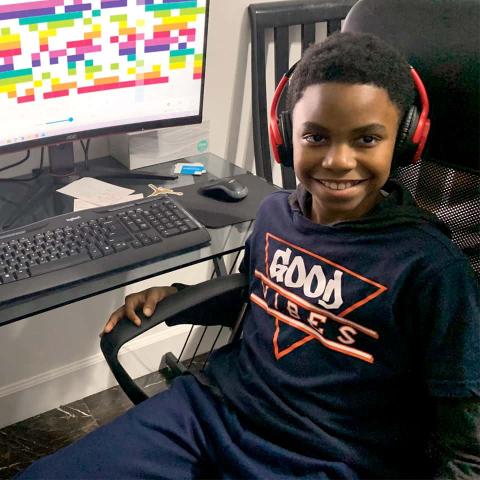
My child became self-reliant in learning, taking tests and following timeliness. It helped him build self-confidence while increasing his true knowledge about the subject.
CTY Online Courses Parent
Parent

Being a part of the CTY Scholars Program was the greatest thing I could have done. They were by my side every step of the way from high school to getting into the best college for me.
Aaliyah J.
CTY Scholars Student
Learn on Your Schedule
View start and end dates, and registration deadlines, for all CTY courses in one place.
Making CTY Work For You
We’re committed to making CTY accessible to qualified students. Need-based financial aid is available.
Support Throughout Your CTY Experience
We are committed to providing appropriate accommodations and support for students throughout their CTY experience.
Take the First Step
Create an account to unlock the CTY Experience and join a community where your advanced learner truly belongs. Once you join, you can access our family portal, where you’ll sign up for testing, view scores, enroll in courses, and more.